FYI: If you buy something through a link on this site I may earn a commission - at NO extra cost to you.
Worried About A Sick Puppy?
Taking care of a sick puppy can be worrying, confusing, heartbreaking... and often expensive.
When little Fido isn't feeling well it's easy to panic, and it can be difficult to know if there really is something wrong..... and if so, what you should do about it.
This page will give you insight into the signs and symptoms of illness in puppies, help you to evaluate the seriousness of the problem, and point you in the right direction to get things back on track.
Is My Puppy Sick?
There are many dog illnesses which puppies are at risk of contracting and a variety of symptoms which could mean trouble is brewing.
To make matters even more confusing, certain symptoms can be signs of either a dangerous disease or a much simpler, less worrying one.
In addition to obvious physical issues such as diarrhea, vomiting, lameness and so on, behavioral changes are often early warning signs of illness.
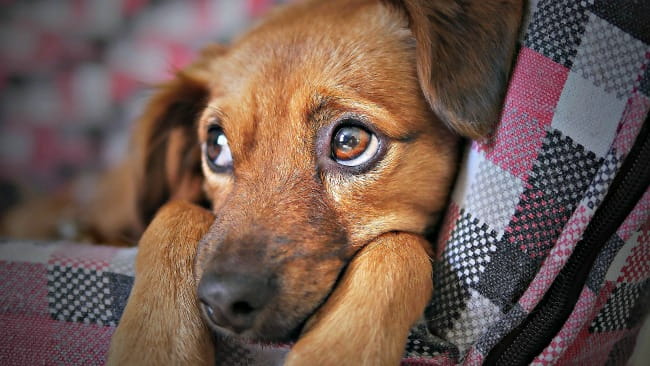
It doesn't take long for you to become familiar with your puppy's' individual pattern of behaviors such as:
- how long he can play for without getting tired
- how much he eats in a day (or at each meal)
- how often he needs to 'potty' and what's normal for his bowel movements
- whether he's normally happy, excitable or mellow
Pay close attention to any sudden changes in these areas as they are often one of the very first indications that your puppy is unwell.
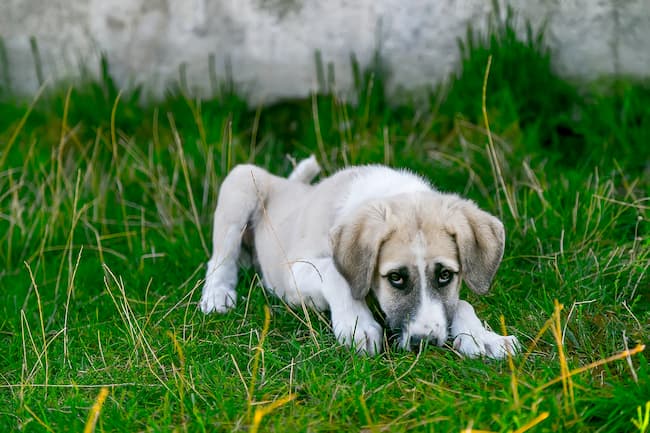
Symptoms Of A Sick Puppy:
- Change in activity level. Particularly if your normally active, playful puppy seems exhausted, listless and disinterested in his toys, games... even you!
- Change in appetite. If your puppy suddenly seems to lose his appetite and won't eat, or drink, this is a red flag. If he's vomiting too, it's even more critical that you talk to your vet immediately.
- Change in bowel movements. A big indicator of your puppy's health is his stools! If you suddenly find that Fido has diarrhea (with or without vomiting), it could signal the beginning of one of several illnesses and your pup is quite likely to get very sick, very fast.
Repeated, watery or bloody diarrhea is an emergency situation and if your regular veterinarian's office isn't open, you need to get your puppy to a 24 hour pet clinic immediately.
It could be Canine Parvovirus or another serious, potentially deadly, puppy illness such as Coccidia or Giardia. Soft stools, or a single bout of mild diarrhea could just mean that your puppy raided the garbage can last night! - Panting, shaking or whining. Fido can't tell you if he's not feeling well, or what hurts. But his behavior can give you clues. Panting, shaking/shivering, unusually 'clingy' behavior or constant whining can all mean there's something wrong and he's trying to tell you about it.
- Weakness, dizziness or disorientation. There can be a number of different reasons for these symptoms of puppy illness, and if your little guy shows any of them, you need to have him evaluated by your veterinarian quickly.
In small and tiny breeds, a drop in blood sugar can cause hypoglycemia which can result in all three symptoms. Giving your pup a little Karo syrup can help alleviate symptoms of hypoglycemia, but if it happens more than once you need some expert advice.
Additional Symptoms To Watch Out For:
There are other, less serious, symptoms that can crop up and suggest that your pup has some type of illness include:
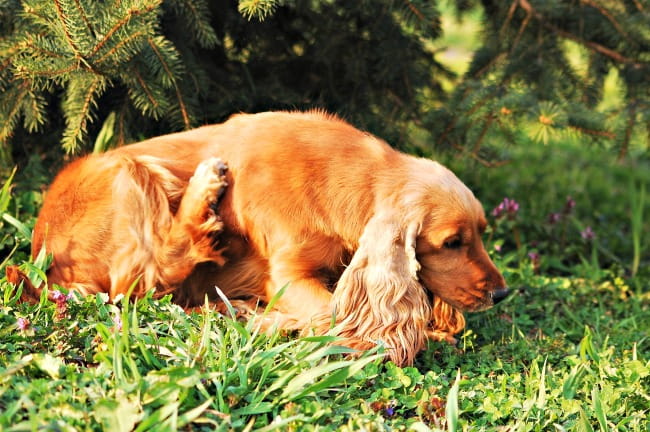
Excessive Licking/Scratching
- If your pup starts to lick himself all the time it could signal a skin problem and/or allergies .
- Licking his genital area and/or frequent urination could mean a bladder infection (aka UTI).
- Obsessive scratching could mean parasites such as fleas or mites which cause mange etc.
- Constant head shaking can also mean allergies, ear mites or infection.
Change in Coat
- If your puppy's coat seems to be dull, patchy or coarse it could mean he has parasites such as worms.
- Allergies can also cause coat and skin changes.
- Or it could be an indication that his diet is lacking in certain nutrients.
What To Do Next
If you think you have a sick puppy on your hands then the first step is to get a veterinary evaluation as quickly as possible.
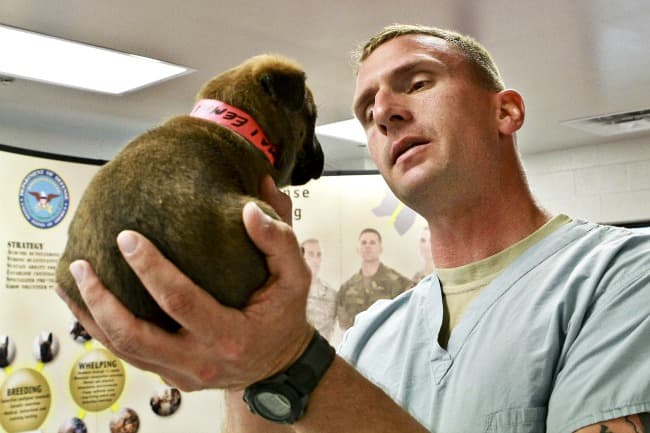
In serious situations you may need to get a immediate appointment, of if it's after hours, take your puppy to a 24 hour/emergency pet hospital. With conditions such as parvo this can mean the difference between life or death. Check out this article to learn about the symptoms which warrant an emergency vet visit.
If it's not an emergency and your pup just seems mildly unwell, or just not himself, make the first available appointment with your veterinarian. However, if symptoms worsen or new ones appear, follow the advice in the above paragraph for an emergency visit.
Please don't be tempted to treat your puppy at home, or use OTC or human medications without seeing a veterinarian first. Many OTC products can have unexpected, even dangerous, side effects and even dog-safe human medications are not suitable for young puppies
.
a little extra help....
Having a comprehensive source of pet health information that you can turn to is always a good idea :)
If you have The Veterinarian's Guide to Your Dog's Symptoms you'll always be able to find a list of the potential cause of just about any symptom you're likely to see.
Written by veterinarians, it's perfect for everyday reference and points you in the right direction, whether that is a trip to the vet's office or a home remedy.
Some more great books that can help you keep little Fido healthy include:
CLICK HERE to read an article about sickness in puppies, written exclusively for Fidosavvy.com by veterinarian Dr. Megan Teiber, DVM
Related pages:
FTC Disclosure: Some pages on this site contain affiliate links. I may earn on qualified purchases.
FTC Disclosure: Some pages on this site contain affiliate links. I may earn on qualified purchases.
For your peace of mind, puppy and dog health information on this site has been approved by veterinarian Dr. Megan Teiber, DVM

Tired of Dog Hair everywhere?
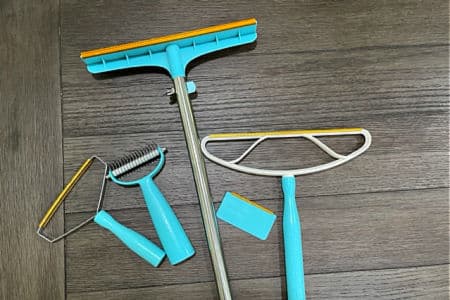
These pet hair removing tools have saved my sanity! You can remove dog hair from carpets, rugs, furniture and more SO EASILY. If you think your rugs are fur-free... run one of these babies over them AFTER you've vacuumed. You will me amazed at how much hair was still there.
There's even a deshedding tool to use on your dog before he deposits his fur all over the house. Win-win.