FYI: If you buy something through a link on this site I may earn a commission - at NO extra cost to you.
About Puppy Diarrhea
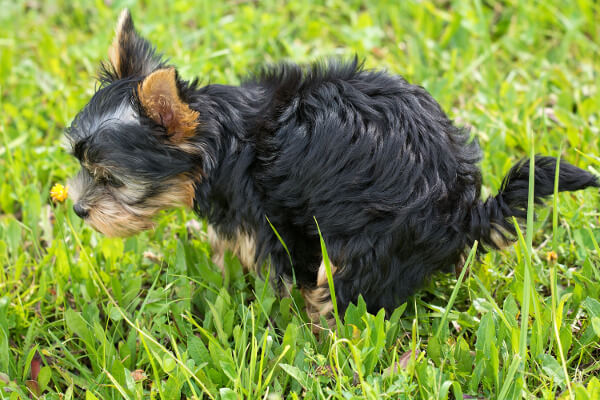
Puppy diarrhea is SO common that your new pup is likely going to have at least one episode of loose stools or runny poop during his first few weeks with you.
The reasons for diarrhea in puppies can be varied and treatment depends on what is causing the problem. Some common causes of diarrhea include:
- changes in diet
- stress
- parasites
- illness/disease (such as bacterial infections, viral infections or an underlying health problem)
- eating stuff he shouldn't (can result in food poisoning, or obstruction caused by a foreign object)
Puppy diarrhea can appear as a soft 'pile', a shapeless puddle, a jet of water, or just about anything in between - and the look/consistency of your puppys' stools give important clues as to what's going on.
Puppy diarrhea treatment options might include fasting, dietary changes, supplements, or veterinary care... and which route you choose depends on the type, duration, severity and cause of the your pup's loose, runny or watery stools.
In cases of severe, or repetitive diarrhea, it's vital to seek veterinary help right away.
- Causes of Mild/Moderate Diarrhea
- Treatment of Mild/Moderate Cases
- Causes of Moderate/Severe Diarrhea
- Treatment of Moderate/Severe Cases
- Puppy Diarrhea FAQ's
Age and vaccination status is also important when evaluating diarrhea in puppies.
An 8 week old puppy with diarrhea is at a higher risk of having contracted an infectious, possibly dangerous, disease as he won't have had all the necessary puppy vaccinations yet.
He is also more likely to have worms. One set of shots does NOT provide adequate protection if your puppy is less than 14 - 16 weeks old.
An older, vaccinated pup, or adult dog who has loose, runny stools could have an infectious disease, but it's more likely to be parasites such as Giardia or Coccidia, or another of the possible causes of diarrhea listed below.
Mild - Moderate Puppy Diarrhea
If your pup has a couple of soft, chocolate-pudding-type stools, don't panic right away.
This type of diarrhea in puppies usually doesn't last for more than 24 hours and can be caused by a simple tummy upset.
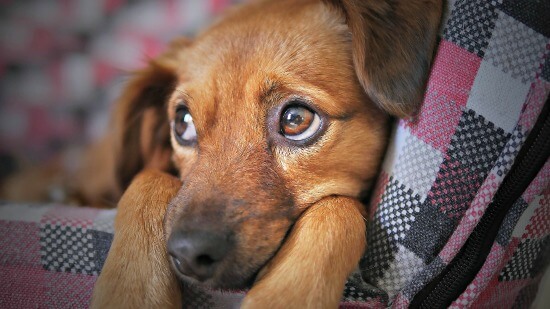
Your little guy might act totally normal, or he might seem a little quiet or look sorry for himself, but he shouldn't look really ill, be inactive, or refuse a drink or a treat (even if he doesn't want his dinner).
Mild to moderate diarrhea in puppies is most often caused by:
If your puppy has diarrhea but is acting fine (eating, drinking, peeing and playing normally) then it's most likely that the loose, runny stools are a result of something fairly simple.
A Change In Diet
If you decide you want to change the brand of food your new pup is eating that's fine, but make the transition slowly to prevent tummy upset. Any sudden dietary change can trigger loose stools or diarrhea, and this applies to treats and edible toys too.
Don't offer a bunch of new things at once. Introduce them slowly and keep them to a minimum.
It's also a good idea to only feed your pup food that is specifically designed for him. Stay away from human foods, table scraps, old food etc. these can cause him to have an upset stomach which may cause diarrhea and/or vomiting. Some puppies have more sensitive stomachs than others, but generally puppies should only eat puppy food/treats.
Stress
A puppy's digestive system can be fairly delicate and is easily affected by stressful situations. Things such as leaving their mom and siblings, a visit to the veterinarian, getting used to a new home environment, excess excitement or exercise and so on, can trigger a bout of loose stools.
Stress can also allow opportunistic conditions to take hold. These strike when a pups immune system is below par. Coccidiosis , Coronavirus, Giardia, intestinal worms, ringworm and external mites are all included in this group.
Eating Something He Shouldn't
Little puppies are endlessly curious, and often seem to believe that EVERYTHING is edible, until proven otherwise!
If your pup has been snacking on inedibles, then he's most likely going to have at the very least some loose stools, possibly some diarrhea and/or even vomiting.
A surprising number of every-day foods and other items are toxic, or dangerous for your puppy to ingest. You can find a list of the ones most likely to cause trouble on my Poisonous Foods page.
In this situation a good probiotic can help 'reset' his system. I'd recommend Nutramax Proviable.
It not only rebalances his digestive system by encouraging the growth of good bacteria, but also helps to firm up stools. Nutramax Proviable probiotics are available in two formulas:
Health Conditions
A puppy who has worms may well have loose stools, and you may (or may not) see any worms in them depending on which type of worm is causing the problem.
Coccidia can cause diarrhea, and is caused by intestinal parasites of a different kind (tiny, single cell parasites rather than worms).
Canine Coronavirus there are other health issues which can cause diarrhea in puppies include Corona Virus, Colitis and Inflammatory Bowel Disease.
Colitis is the term used to describe inflammation in the large intestine and can cause chronic diarrhea, which often contains mucus or even bright red blood.
Colitis is a symptom of other diseases or conditions rather than a disease in itself. The diarrhea which accompanies colitis is a result of the inflamed intestine which is usually caused by another underlying dog health condition such as parasites, IBD, food poisoning, food sensitivities, antibiotics, eating something that shouldn't be ingested, allergies, stress and more.
Colitis in dogs can be:
- Acute - it comes on suddenly and is short lived
- Chronic - it gradually appears over time and is always present
- Episodic - appears for a short while, resolves, reappears
Colitis is usually fairly easy for your veterinarian to treat, but a prompt and correct diagnosis is needed so that your pup gets the right treatment/medication.
Some breeds seem to be predisposed to conditions which cause chronic loose stools, this can include Inflammatory Bowel Disease (IBD).
If a pup or dog has IBD other symptoms are also likely to be present, such as vomiting, weight loss and lack of appetite. Your veterinarian can test for this condition.
Breeds which may have a genetic predisposition to this condition include:
- Shetland Sheepdog
- Collies
- German Shepherd
- Irish Setter
- Boxer
- King Charles Spaniel
- Golden Retriever
- Miniature long-haired Dachshund
- French Bulldog
- Yorkshire Terrier
- Soft-coated Wheaten Terrier
There are some other canine diseases or conditions which can cause chronic diarrhea, but these are much more likely to be seen in adult and older dogs than in puppies.
They include:
- Pancreas problems
- Liver disease
- Gall bladder problems
- Adrenal issues
- Tumors
Allergies
Dog food allergies and sensitivities are more common than many owners realize, and can be an underlying cause of cause diarrhea in puppies, and dogs. True allergies are more likely to cause skin irritation or inflammation and itching, whereas a 'sensitivity' to an ingredient can cause your pup to have runny poop, and sometimes even to vomit.
High-protein puppy foods are also more likely to cause loose, unformed stools in some puppies.
Treatment for Mild/Moderate Puppy Diarrhea
There are some simple steps you can take to treat mild to moderate diarrhea at home and you should see results within approx. 24 hours.
However, if within that 24 hours your pup starts to vomit, act lethargic or show ANY other symptoms of illness OR the diarrhea gets worse OR if after 24 hours there's been no improvement then it's vital to get a veterinary examination asap.
Fasting Or Withholding Food
If a puppy's tummy is upset because of a dietary indiscretion, one of the quickest ways to help him feel better is to give his digestive system a rest.
You can achieve this by fasting her for a short period.
For a puppy of 16 weeks and up you can usually withhold food for 24 hours without too much trouble.
If your pup is only 8 - 16 weeks old you might want to give her a couple of plain, dry dog biscuits or a handful of plain, cooked, white rice before bed to prevent her vomiting from a build up of acid in her tummy.
Although he won't be getting fed, you need to make sure that your pup gets plenty of fresh water to drink because diarrhea causes dehydration.
Dehydration is the number one issue caused by diarrhea and is responsible for weakening a puppy's immune system and compounding his problems.
If he doesn't want to drink plain water, try adding a little unsalted chicken broth to it for flavor.
Dehydration causes electrolyte imbalances and it's important to rebalance these as quickly as possible.
Some puppies and dogs will drink unflavored pedialyte.
Alternatively you can make 'rice water' by boiling one cup of WHITE rice (not brown rice or the 'Minute Rice' variety) in four cups of water for about 20 minutes.
Strain to remove rice and let the water cool. Once cool it's a good source of valuable electrolytes for your pup.
After the 24 hours is up, you can start by feeding your pup a bland diet, and a small amount of plain, boiled, white rice (with a little chicken broth added if desired) is one of the most popular choices.
If he tolerates this well and his bowels are returning to normal you can go back to giving him his regular food after another 24 hours.
Canned Pumpkin
Adding a teaspoonful or two of canned pumpkin (preferably organic, and NOT the pie filling variety) can also help to firm up your puppy's loose stools.
Canned pumpkin is more nutrient dense and contains more fiber than fresh pumpkin. However choose a brand which contains as little salt, sugar, spices or other additives to avoid irritating little Fidos' tummy.
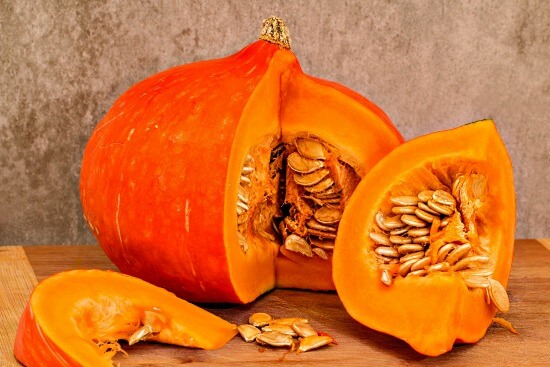
If your puppy is constipated, adding a little canned pumpkin to his food works well for this too. Odd, but true.
A small amount of pureed sweet potato has the same effect.
If that is tolerated okay and the diarrhea is improving, then you can add a little plain boiled chicken to the rice for her next meal.
Over the following day or two, slowly reintroduce his usual puppy food by adding it to the chicken/rice mixture a little at a time.
An easy alternative to canned pumpkin.


Also great for picky eaters, or pups/dogs with chronic digestive issues.
Supplements
Some products that are designed to help deal with occasional, mild to moderate diarrhea in puppies and dogs include
Adding NaturVet Digestive Enzymes (or another similar product) to your pup's food can also help rebalance your little one's gut and reduce loose stools.
Over-The-Counter Products
There are a couple of 'people' products that you can give to your puppy which may help with a mild case of diarrhea.
You can give your pup liquid Pepto Bismol, 1/2 teaspoon per 10lbs of body weight, every 3 to 4 hours.
Don't expect your pup to lap this up though, you're going to need to use a small syringe or dropper to get it into her mouth!
This is fine for puppies over 6 weeks old.
Pepto Bismol can make your puppys' stools/diarrhea look very dark. As a side-effect this isn't anything to worry about, but as dark/black stools are also an indicator of internal bleeding it can be confusing/worrying if you're not prepared for it.
Pepto Bismol will also show up brightly on X-rays (the way metal does) so if your puppy ends up needing X-rays to find out what's causing his diarrhea it's important to tell your veterinarian that you have given him Pepto Bismol. Obviously it could still cause some confusion in cases of X-ray diagnosis.
Never give Pepto Bismol to cats!
** Never give Immodium puppies or dogs without explicit vet approval and instructions because some breeds, and dogs with certain health conditions, can react very badly to the active ingredient.
Probiotics
Something else that is helpful in rebalancing your puppy's digestive system is to use a probiotic.
This will encourage the growth of 'good bacteria' in the gut, and can settle things down.
I'd recommend Nutramax Proviable Supplement for Dogs and Cats.
Moderate - Severe Puppy Diarrhea
A puppy with a liquid stool (anything from soupy to watery), especially if the diarrhea is repetitive, is very likely sick and you definitely need to get him to your veterinarian as soon as you can.
Severe puppy diarrhea is usually caused by one of three things:
Diarrhea that contains blood and/or mucus, or looks black is an emergency situation and requires veterinary evaluation right away!
Red blood could indicate bleeding in the lower digestive tract. Dark brown/black diarrhea could mean there is internal bleeding higher up in the digestive system.
Disease
Many of the most contagious, serious (and often potentially deadly) dog illnesses have diarrhea as one of the earliest symptoms.
This kind of diarrhea is usually very watery, and can contain mucous and/or blood (shows as red or brown). It's usually frequent, and may spray or 'jet' out with some force.
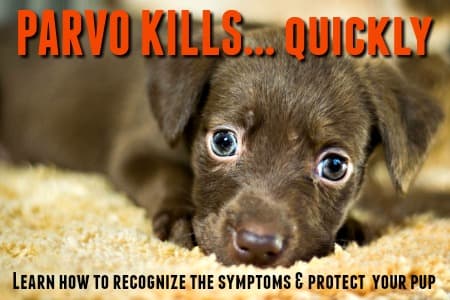
Both Canine Parvovirus and Distemper cause severe diarrhea in puppies, and need urgent veterinary diagnosis and care if your pup is to have a chance at survival.
Although both are potentially fatal diseases, Parvo is much more common, and watery diarrhea (along with repeated vomiting and lethargy) is a classic symptom and the disease most likely to be the culprit.
Distemper is more likely to be diagnosed due to respiratory and/or neurological symptoms, although diarrhea may well be present.
Both Canine Parvovirus and Distemper are routinely vaccinated against when little Fido is given his puppy shots and both are CORE vaccines as recommended in the AAHA (American Animal Hospital Association) Canine Vaccination Guidelines.
Vaccination for both these diseases is very effective and the risk of an adequately vaccinated puppy catching either of them is very low.
As I mentioned above (and can't stress enough!), watery diarrhea that's has streaks of blood or contains mucus is a red flag. Don't 'wait-and-see', get veterinary help IMMEDIATELY. Your puppy's life could literally depend on it.
Parasitic Infection
Your puppy could have developed an infection caused by parasites, such as Coccidiosis or Giardia, (see links above) both of which can cause pretty severe, foul smelling diarrhea (sometimes accompanied by vomiting, lethargy and loss of appetite).
A bad case of puppy worms (particularly roundworms, whipworms or hookworms) can also result in your pup suffering from diarrhea and/or vomiting.
You might also notice that his stools contain a lot of mucus because the worms cause a lot of internal irritation. This is most often seen in very young puppies who haven't been dewormed yet, or older pups who have never been treated for worms, or not treated often enough.
Internal Bleeding
Black or 'tarry' looking stools could be a sign of internal bleeding. The blood could be coming from Fido's stomach or his small intestine.
Trauma to the belly is the most common cause of internal injuries and bleeding, but diseases such as Parvovirus, Diabetes or cancer can also cause blood loss like this.
Dehydration is serious, potentially fatal
Whenever a pup has loose stools and/or vomiting dehydration is a concern.
Make sure your pup gets plenty of fresh water to drink.
If he can't/won't drink or is unable to keep water down or has continued watery diarrhea he may need IV fluids and definitely needs to be checked out by a vet asap.
Diarrhea in puppies and dogs can also be caused by poisoning.
If you feel that your puppy may have eaten could be toxic or dangerous to her contact a Poison Control Hotline, or get her to a veterinarian immediately.
These pages contain lots of information to help you....
Treatment of Moderate/Severe Puppy Diarrhea
Moderate to severe diarrhea in puppies (and dogs) ALWAYS needs to be evaluated by a veterinarian right away.
Apart from encouraging your pup to drink, don't attempt to treat this at home until you find out what is causing the problem.
What You Can Do At Home
Getting enough fluids into your puppy is VERY important if your he has watery diarrhea and the first thing you need to do is get him drinking as much as possible.
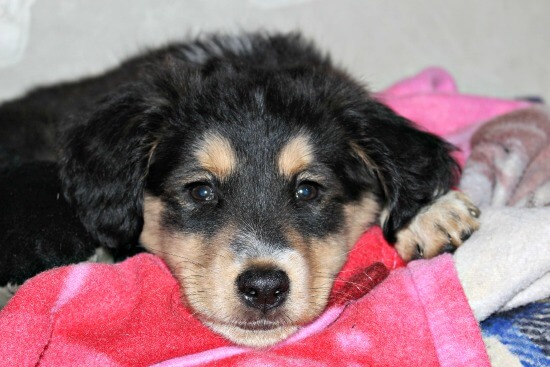
Plain,
fresh water is good, but for repeated diarrhea it's even better if you
can give her a rehydrating solution which also replaces lost electrolytes.
Pedialyte (which is designed for children with vomiting/diarrhea) can be found in most big grocery stores and pharmacies.
Give your pup this instead of water (the unflavored variety is the one that your pup is most likely to drink!).
You can dilute it half-and-half with water, or give it full-strength if she'll drink it that way.
If your little one refuses to touch it even when diluted, try adding a little bit of flavoring such as low sodium chicken broth.
Or make up some rice water (directions here) and try to get your puppy to drink it to replace valuable electrolytes.
Puppy diarrhea treatment after veterinary evaluation...
If your veterinarian diagnoses a non-serious cause for your puppy's moderate to severe diarrhea then give any medications or follow any advice your vet has given you.
You may also follow the tips and advice given above for mild to moderate diarrhea in puppies.
Veterinary Treatment of Diarrhea in Puppies
Usually your vet will do some diagnostic tests, including taking a stool sample to test for parasites and bacteria or viruses and give IV fluids to combat dehydration.
Once there's a diagnosis treatment can get started.
IV antibiotics are often given for Parvo, alongside continuing IV fluids and sometimes anti-nausea medications as well.
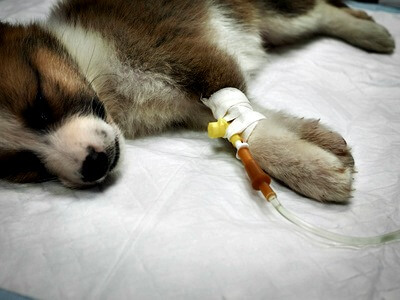
This is usually called 'supportive care' because as Parvo is a viral condition there is no 'cure', it's a case of supporting the puppy and trying to head off secondary infection until her immune system fights off the virus... if she can.
In addition to whatever treatment your vet has given/recommened, once little Fido can keep fluids down, giving him Parvaid and Vibactra (two powerful, natural herbal remedies) is a good way to help him fight back. Remember to always discuss any medicines or supplements you want to give your pup with your veterinarian first.
For puppy diarrhea caused by Coccidia your vet will likely prescribe the antibiotic Albon.
If Giardia is the root of the problem it is generally treated with Metronidazole.
These medicines are usually effective, but they need to be given regularly and as your vet recommends.
Parasitic infections like these can be stubborn and often a puppy needs more than one round of treatment to get rid of the problem.
Puppy Diarrhea FAQ's
Is it normal for puppies to have diarrhea?
No, it’s not normal for puppies to have diarrhea. A puppy’s stool should be firm, with the familiar log shape, and most likely exit his body in several segments.
However, it is common for puppies to have loose stools, even diarrhea, at times because they are prone to parasites, and at risk for contracting certain diseases. Stress and dietary changes are also part of a young puppies life when transitioning to his/her new home and these can also cause transient, and usually mild, loose stools.
My puppy has diarrhea but is acting fine. Should I be worried?
If your puppy has mild to moderate diarrhea (slightly soft to chocolate-pudding consistency stools) but is acting fine, and eating and drinking normally, chances are something as simple as stress or a change in diet has caused the problem. It should resolve within about 24 hours and as long as your puppy shows no other signs of illness, and can eat/drink normally (without vomiting) you can generally wait that long before contacting your vet.
Does deworming cause diarrhea in puppies?
It’s not uncommon for puppies to have some diarrhea for the first 24-48 hours after being dewormed. You may, or may not, see worms (live or dead) in the stools. These can be dispelled for up to a week after the deworming. Some vomiting and/or lethargy are also fairly common side effects of puppy deworming. All of these things should subside within a couple of days. If they don’t, or your puppy seems ill, or he won’t eat/drink, then contact your vet right away.
Can puppy food cause diarrhea?
Any sudden change in diet can cause a puppy to have some diarrhea or tummy upset, even if the food you are switching from and/or to is a premium, high quality product. If you need to change the food your puppy is eating make the switch slowly, over a period of several days or even a week, gradually decreasing the amount of the familiar food while increasing the amount of the new one.
Canned or wet puppy food contains a lot of water and is more likely to cause soft, loose stools than dry puppy food is. Cheap, generic foods have a sub optimal level of nutrients and are often not as well absorbed/digested, which can lead to larger, softer, smellier stools.
Edible chews, bones, dental chews and even dog treats can cause tummy upset, including diarrhea, especially if they’re not given sparingly. Puppy training treats should be very small, and not highly processed, edible bones/chews should be given now and then and it’s a good idea to keep an eye out for any upsets so that you know which ones, if any, upset your puppy’s digestive system.
What to feed a puppies with diarrhea?
Fasting and/or a bland diet can be helpful for a puppy with mild diarrhea, and plenty of water is vital to prevent dehydration. A 12-24 hour fast, followed by a bland diet (boiled chicken and plain boiled white rice is ideal) can sometimes put an end to the problem. More severe diarrhea should be evaluated by a veterinarian if the puppy seems ill, the diarrhea is accompanied by vomiting, is recurring or if there is blood/mucus in the stool.
Adding canned pumpkin (NOT the pie filling variety) to the chicken and rice can also help firm up stools.
Can you give puppies Pepto Bismol?
Yes, pepto bismol is safe for dogs and puppies if given at the correct dosage. I'd always recommend checking with your veterinarian before giving a pup ANY medication, just to be safe. You can find dosage and more info. on giving Pepto Bismol to puppies HERE
For your peace of mind, puppy and dog health information on this site has been approved by veterinarian Dr. Megan Teiber, DVM
Click on the following link to check out an article on puppy diarrhea written exclusively for this website by veterinarian Dr. Megan Teiber, DVM.
you might also like...


FTC Disclosure: Some pages on this site contain affiliate links. I may earn on qualified purchases.
FTC Disclosure: Some pages on this site contain affiliate links. I may earn on qualified purchases.
For your peace of mind, puppy and dog health information on this site has been approved by veterinarian Dr. Megan Teiber, DVM
Tired of Dog Hair everywhere?
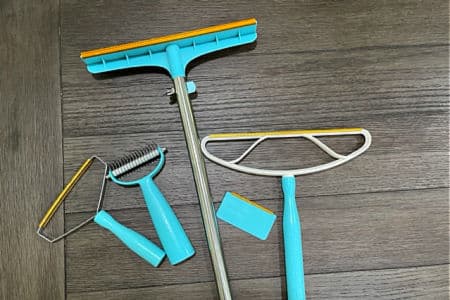
These pet hair removing tools have saved my sanity! You can remove dog hair from carpets, rugs, furniture and more SO EASILY. If you think your rugs are fur-free... run one of these babies over them AFTER you've vacuumed. You will me amazed at how much hair was still there.
There's even a deshedding tool to use on your dog before he deposits his fur all over the house. Win-win.